
Where It All Began
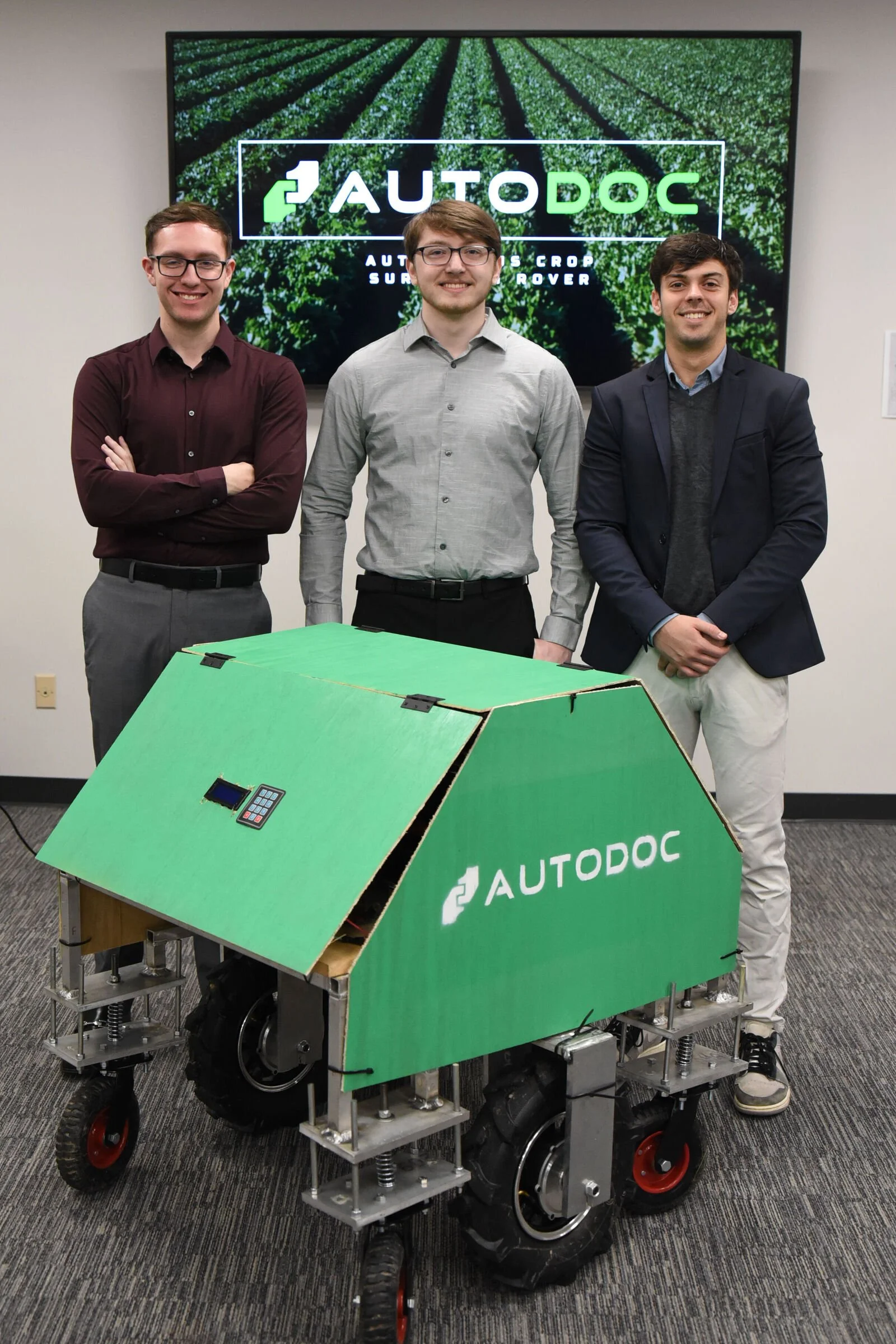
The AutoDoc began as a senior design project at Greenville University, with the goal of creating an autonomous robot capable of identifying nutrient deficiencies in crops using spectral imaging. Our team saw a gap in the agricultural technology market—specifically the need for accessible, real-time crop health diagnostics that could reduce labor and resource waste while improving yields.
The first phase of the project focused on developing a functional proof of concept. We built and tested an initial prototype capable of autonomously following a preprogrammed path while scanning soybean plants for early signs of nutrient deficiencies. Using near infrared (NIR) technology and custom data interpretation algorithms, we successfully identified deficiencies—sometimes as early as the first week of growth.
This milestone validated our core hypothesis: that spectroscopy can be a powerful, non-invasive tool for early crop health diagnostics. Along the way, we also built a foundation for future scaling, with modular designs, a clear patentable technology pathway, and strong results that justify further research and investment.
Now that we’ve graduated, our team is continuing AutoDoc as an independent venture, building on our university roots but charting our own path forward. The positive outcomes from Phase 1 have led us to pursue Phase 2: advancing the hardware, increasing autonomy, enhancing data accuracy, and preparing the system for patenting and eventual real-world deployment.
Development & Ongoing Research
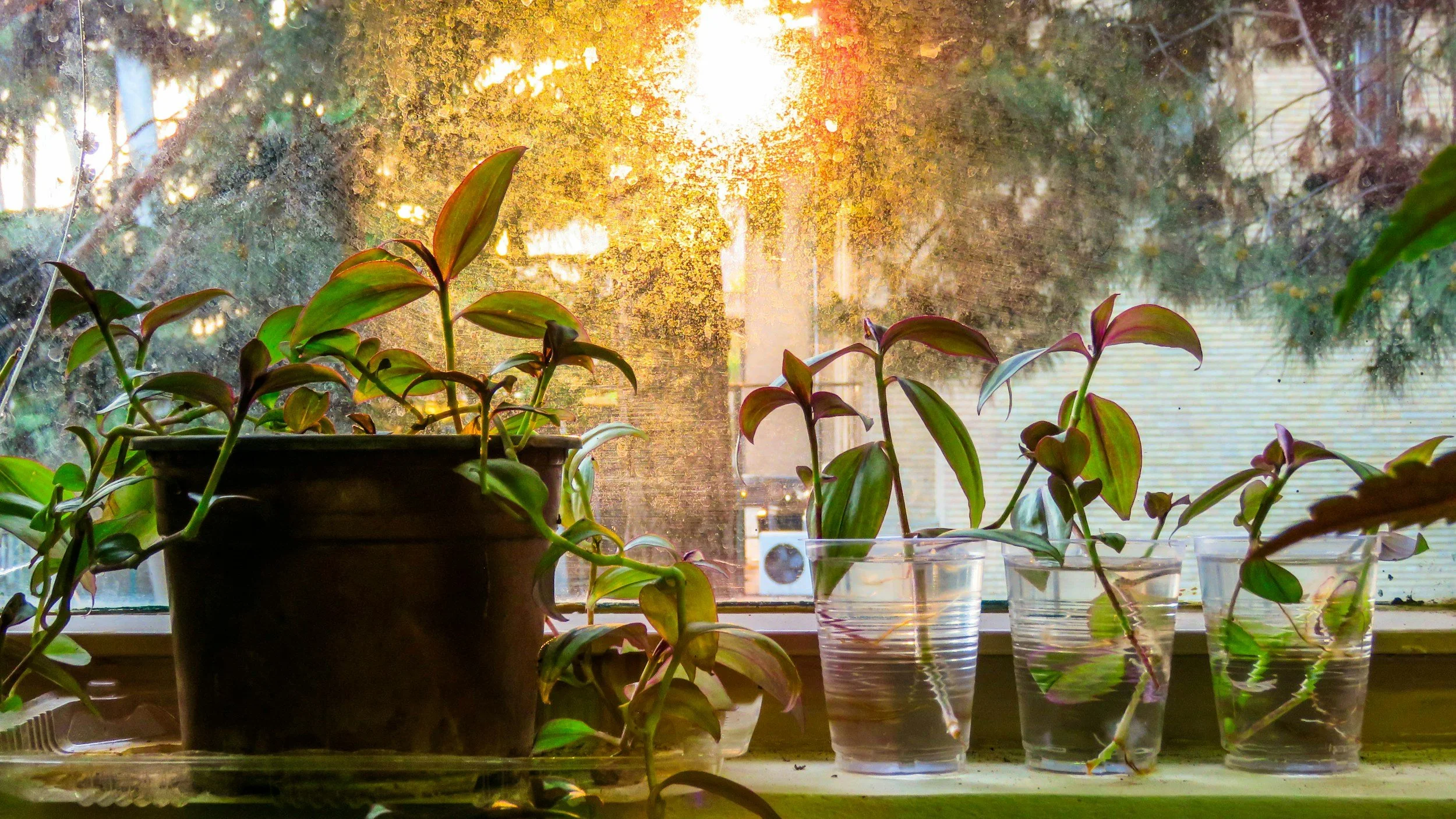
The AutoDoc is the result of ongoing research, iterative prototyping, and controlled testing. This includes hydroponic deficiency studies and continued system refinement to improve accuracy, reliability, and field performance. A provisional patent application has been filed as development continues.
Future of the AutoDoc
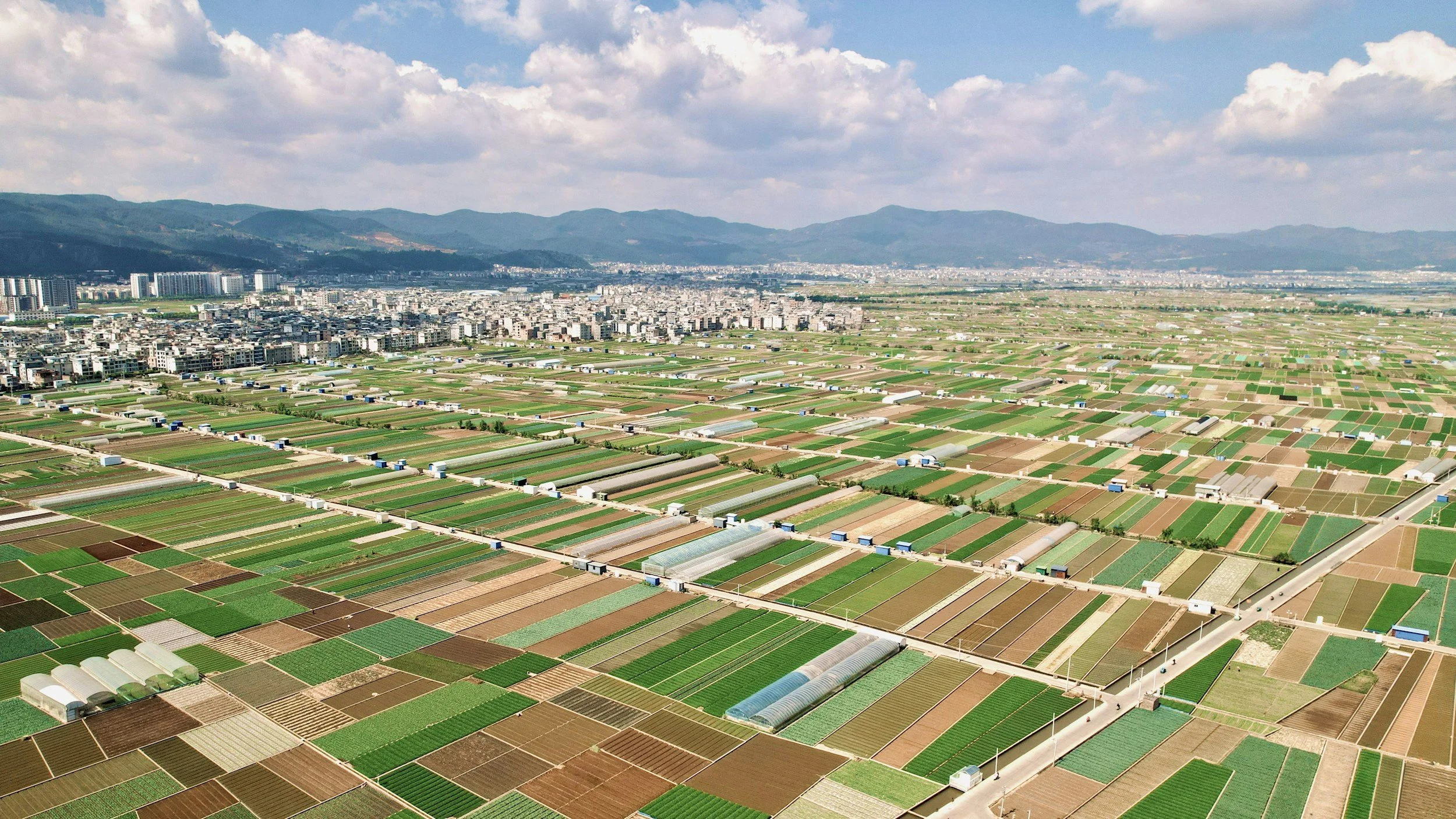
The long-term vision is to scale autonomous crop monitoring into a widely accessible tool for modern agriculture. Future development focuses on expanding field capabilities, improving analytical precision, and enabling broader integration across farming systems.
Our Team
Judson Page
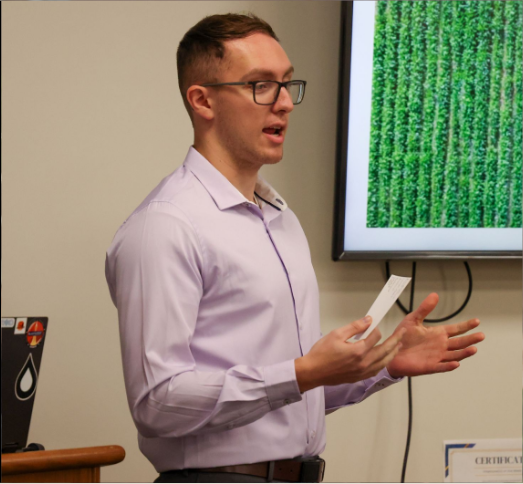
Brings ideas to life by guiding projects from concept to completion with a focus on innovation and practical design. Passionate about solving complex challenges, they keep teams aligned and ensure every solution is built to perform.
Project Lead/Design Engineer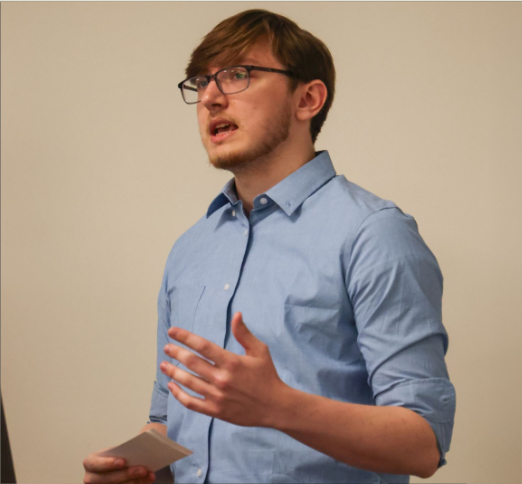
Thomas Fike
Enjoys turning complex problems into intuitive software solutions that power intelligent systems. With a passion for clean, reliable code, they create technology that is both dependable and easy to use.
Software Engineer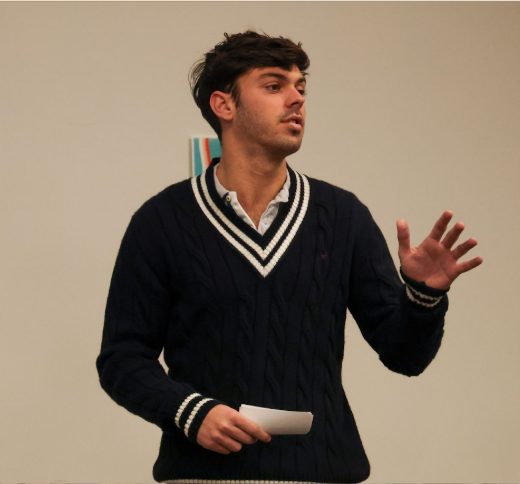
Industrial EngineerRafael Navas Gascón
Has a talent for seeing the bigger picture and finding smarter, more efficient ways to get things done. Driven by continuous improvement, they optimize processes to deliver practical solutions that benefit both clients and teams.